Using Design Thinking To Take An Impact Project Idea from Concept to Action
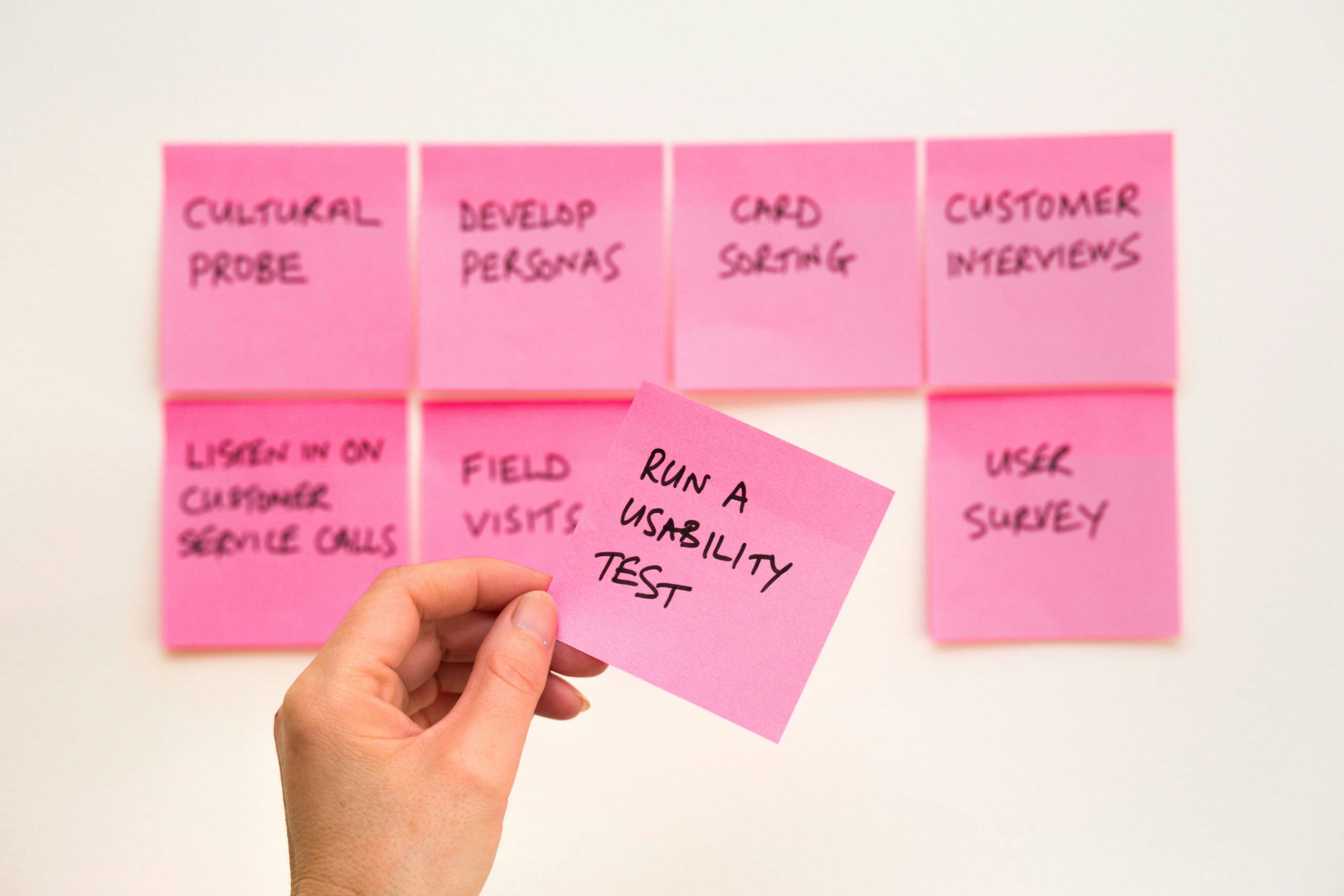
In our first blog post in this two-part series about using design thinking to create impact, we focused on how to identify meaningful problems: by paying closer attention to what’s around you, noticing gaps, and being intentional. Once you stop passing through your day on autopilot and start noticing patterns in how your school or community works, it becomes harder to unsee them.
But the recognition stage is one where many students get stuck. Not because they don’t care, but because the next step feels unclear or hard to actualize.
For example, you might have an idea that sounds great…but only in your head. Maybe you want to help with mental health at school, or improve access to opportunities, or support younger students in some way. You can explain why it matters to you and those around you. But what’s harder is figuring out how it becomes something real instead of something that stays in your Notes App.
This is where the remaining tenets of design thinking become increasingly useful.
In our first blog, we covered the first two steps — empathize and define — in-depth. The next three stages require you to ideate what could work, prototype something small enough to exist in real life, and test it with actual people. The phases are a reminder that it’s less about having a perfect plan and more about making something that you can get feedback on quickly instead of waiting until everything feels finished.
A simple way to think about it is this: you take what you noticed, you make it specific, you try something small, and you see what happens when real people interact with it. The Stanford d.school often frames this stage of the process as the time to ask “How might we ______”? Following these steps is the way to turn something you’ve observed into something you can actually work on.
Here is how that process actually plays out.
1. Ideate: Map Your Skills to What You Actually See
When you ideate, keep in mind that you’re not trying to finalize your idea immediately. You’re trying to make it more specific and more realistic in the context of your actual school or community. You also want to start asking an imporant question: what can I actually contribute here? Because it’s one thing to notice a gap, and another to figure out where you actually fit in relation to it.
So instead of staying at “I want to help with mental health,” get more specific about what you’re actually seeing. Is it that students don’t really have a space to talk casually about what they’re dealing with? Is it that support exists, but feels too formal or too exposed for students to actually use? Or is it that certain groups of students never really end up in those spaces at all?
Once you’ve narrowed it down, connect it to what you can actually do with the skills you already have.
For example, if you’re someone who’s good at organizing people and writing, you might help create a space where students can actually talk in a way that feels normal and low-pressure. That could look like setting up a weekly lunch discussion with simple prompts, or writing up announcements to make sure students know it exists in a way that doesn’t depend on word of mouth.
Or take something like access to sports gear in your community. You might notice that some students have closets full of extra cleats, shin guards, and uniforms, while others are showing up to practice without basic equipment. The gear is there, but it’s not actually moving between the people who have it and the people who need it.
If you’re a muralist or someone who works visually, your entry point might be making the issue visible. A mural near the school or fields that highlights equity in youth sports could change how people see what’s sitting unused right in front of them.
If you’re a writer, you might put the issue into words instead. That could be an op-ed in a local paper or a piece for a school publication that actually names what’s happening and why it matters.
And if you’re good at organizing people, your role might be more hands-on. You might help set up a simple system for collecting, sorting, and redistributing gear so it actually reaches the students who need it.
Different skills lead you in different directions, but they all start the same way: you take something you’ve noticed and connect it to what you can actually do about it. That’s the point where the idea stops being abstract and starts becoming something you can build upon.
2. Prototype: Learn Before You Build
Once you’ve narrowed your idea and connected it to what you can actually contribute, the next step isn’t building something big. It’s making something small enough that you can put in front of real people and actually learn from what they do with it.
But before you commit to anything, you need to talk to people who are already in the space to understand what’s actually going on.
This is one of the most important parts of design thinking, and also one of the most skipped. The Stanford d.school is pretty direct about this: stronger ideas come from real conversations, not assumptions you make on your own.
So if you’re interested in education, start by talking to teachers or students. If you noticed that programs seem to disappear over the summer, ask key stakeholders why that actually happens. Is it funding, staffing, transportation, or something you haven’t even thought of yet?
If you’re interested in healthcare, talk to providers or patients and try to understand where people actually get stuck, or what keeps getting misunderstood when someone tries to access care.
If you’re interested in policy or economics, ask local leaders what problems they keep running into over and over again, even after trying different solutions.
These conversations will often go in one of two directions: they’ll reaffirm what you already believed to be true, or complicate what you originally thought the problem was. Most often, you’re likely to encounter complications — but in the case of design thinking, that’s a good thing! It means your solution can be more tailored and meaningful.
For example, one student working with athletes with disabilities assumed the main issue was access to play. But after talking to coaches and families, they realized the bigger gap was actually consistent training resources and injury prevention education. That completely changed what they ended up focusing on.
Once you’ve had a few conversations, it’s time to prototype. Prototypes are usually simple by design. If you’re working in education, it might be a small group conversation with students after you’ve already talked to teachers about what’s missing. If you’re exploring access to opportunities, it might be a basic message or form you send out after hearing how students actually find out about things. If you’re thinking about something like sports gear access, it might be a small collection system you try out after hearing from coaches and players about what would actually get used.
After a few conversations, you usually start to see what’s actually workable and what isn’t. The idea gets less abstract because it’s now tied to specific details people gave you, not just what you assumed before. From there, you can start shaping something small and real to test, even if it’s rough.
3. Test: See How Your Idea Actually Lands
Once you’ve built something small enough to exist in real life, the next step is to put it in front of people and pay attention to what actually happens.
Not what you expected to happen, but what actually happens.
For example, you might run a lunch discussion and realize students sit quietly until someone else breaks the silence. Or you might send out a simple form about opportunities and notice that only certain groups of students respond. You might try a small gear collection system and find out that people are willing to donate, but only if it’s easy and clearly explained.
None of that is failure — it’s information for you to review and learn from.
Testing is where your idea start interacting with real, human behavior. People will show you, pretty quickly, what makes sense to them and what doesn’t. Sometimes that means your idea needs to be simplified. Sometimes it means it needs to be amplified by the right audiences. And sometimes it means you were focusing on the wrong part of the problem entirely.
The point isn’t to get it right on the first try. It’s to notice what’s working, what isn’t, and why.
Over time, this process can help turn ideas into something real. Because it doesn’t start out polished or perfectly planned: it gets shaped by what you see when you actually try it. You stop relying on how you thought people would respond and start paying attention to how they actually do.
It can feel slow at first, especially when you’re working on your project in small steps and adjusting as you go, but that’s usually what makes the implementation of your ideas stronger in the end. By the time you’ve tested, refined, and reworked your idea a few times, what you’ve built tends to feel less more and more like something you’re capable of bringing to lie — and sustaining — in your own school or community.