Middle School Corner: How to Make Volunteering More Meaningful
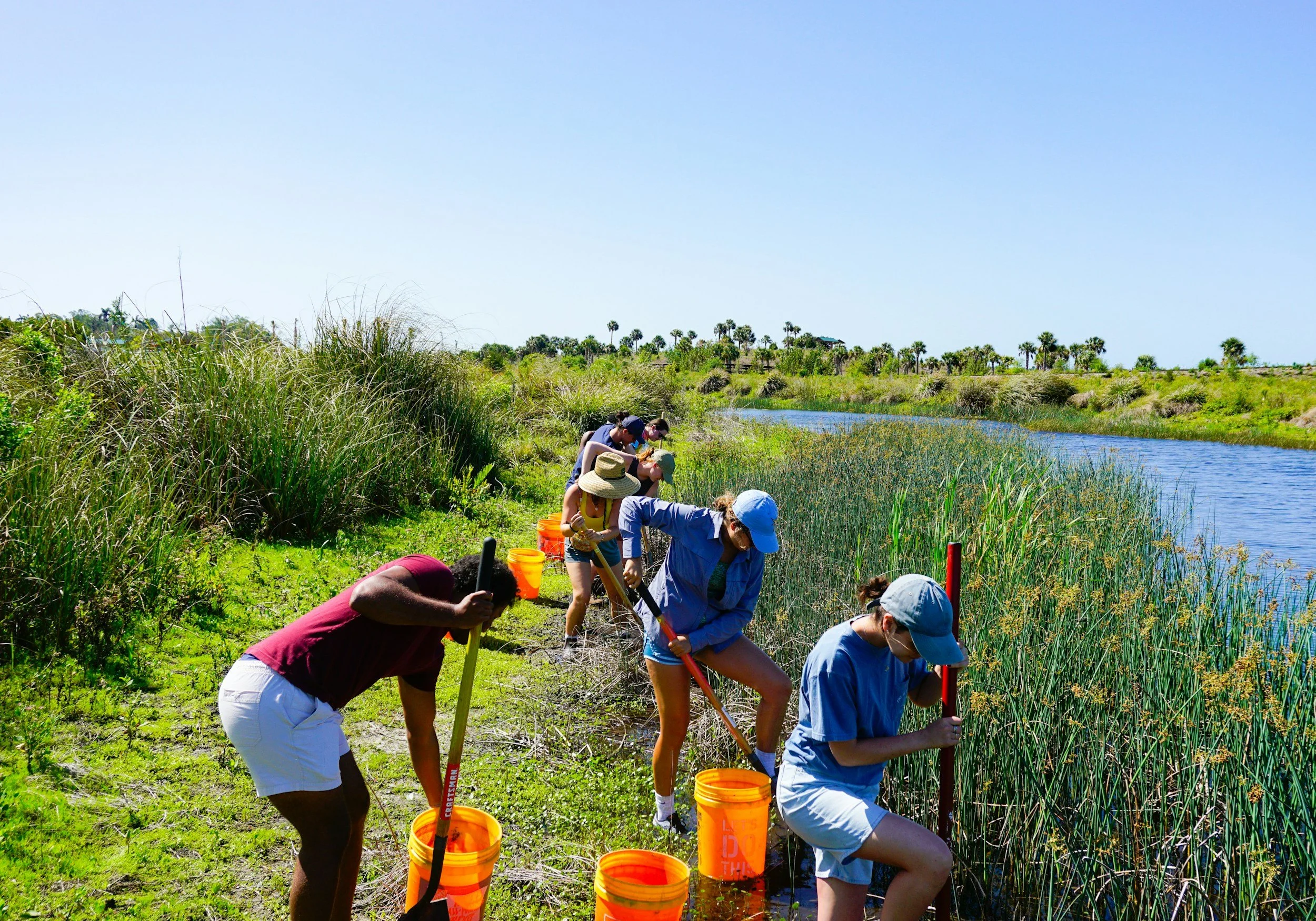
When your middle schooler is required to complete community service hours, it can be tempting to treat volunteering as one more box to check. But if you're going to spend your Saturday morning driving your student to a food pantry, nursing home, animal shelter, or community center, I think it's worth making the experience count for something more than the number of hours they complete.
There is so much conversation right now about kids spending too much time on screens, having fewer opportunities for unstructured interaction, and becoming increasingly comfortable staying inside their own worlds. Even when it’s required, I think volunteering can be a pretty natural antidote to these challenging shifts in modern American childhood. It gets students out into the community, interacting with people they might not otherwise meet and seeing parts of their own communities that they may not have encountered before.
The catch is that simply showing up doesn't guarantee that a student will get much out of the experience. And that’s especially the case if the parent is the one finding the organization, arranging the schedule, driving them there, and keeping track of the hours. It may feel frustrating and time consuming to get students to make a greater effort when it comes to volunteering, but the results can pay off in dividends.
In our work with middle school students, I find that almost any volunteer opportunity can become meaningful if a student is willing to push a little deeper. The key is to move beyond simply completing the required hours and give students opportunities to ask questions, learn about the community they're serving, and find ways to contribute that feel genuinely their own.
How Can Students Get More Out of Volunteering?
If your student is naturally curious, encourage them to use that curiosity. Don’t just show up and wait to do what you’ve been told to do. Ask to talk to the program director, show interest in how the organization works, what happens behind the scenes, and what challenges the staff members are seeing.
An animal shelter, for example, might initially seem pretty straightforward: walk the dogs, clean the kennels, help out where needed. But a curious student might start wondering where the animals come from, how the shelter manages capacity, what happens when there aren't enough foster homes, or why some animals are much harder to place than others. A five-minute conversation with the person running the program could completely change the way they see those Saturday mornings.
And if your student is shy or reserved, they don't need to become the kid who marches into the director's office with twenty questions. They can build that same curiosity in a different way. Encourage them to read about the organization, look at local news coverage, or spend some time learning about the issue they're encountering, and send questions and follow-ups via email. The point isn't to turn every volunteer experience into an independent research project, but to help students connect the few hours they're spending at an organization to a better understanding of the world around them.
Why Should Students Learn About the Community They're Serving?
One of the easiest ways to make volunteering more meaningful is to help students understand the community beyond the volunteer site. The young people recognized by the Gloria Barron Prize for Young Heroes offer some great examples of what can happen when students learn to look closely at the world around them. Their projects often begin with something they notice, followed by questions about why it is happening, who is affected, and what might actually help. That habit of inquiry can start much earlier than the finished project.
For a middle schooler, that might mean learning a little about the community before showing up to volunteer. If a student who lives in McLean spends Saturday mornings at a food pantry in another part of Northern Virginia, I would want them to know something about that neighborhood before they arrive. What has shaped the community? Why does the organization exist there? What does the area look like beyond the few blocks around the volunteer site? A little local history or reporting can completely change what a student notices when they walk through the door.
The same approach works beautifully with environmental volunteering. A student cleaning up a local stream might start by picking up trash, then become curious about where the water comes from, how development has changed the surrounding area, or why runoff affects some communities differently than others. Even if this doesn’t lead to a specific major or career interest, it does teach them how to think systematically via observation. When so much learning happens online or via direct instruction, knowing how to connect the dots in real life is an incredibly rare and valuable skill.
That kind of curiosity is worth cultivating long before a student is ready to tackle a major independent project. Middle school is a great time to practice noticing something in the real world, asking why it is happening, learning about the history and people behind it, and looking for connections that aren't immediately obvious. A volunteer shift can be a simple way to build those habits. Over time, that mindset can give students the foundation to come up with the much bigger questions and ideas that lead to genuinely meaningful work.
How Can Students Turn Volunteering Into Something More?
Once a student understands the organization and the community a little better, I encourage them to start noticing what could be improved.
This doesn't mean they need to walk in and decide they're going to “solve” a community problem. They're middle schoolers. They should be learning to observe first. Maybe a student volunteering with an adapted sports organization notices that athletes have plenty of opportunities to practice but few chances to compete. Could they help organize a tournament? Maybe a youth theater program has wonderful student productions but very few people in the community attend. Could the student help think about outreach?
Even a small observation can lead somewhere interesting. A student volunteering with kids receiving dialysis might notice that patients feel tired after leaving the clinic, or overhear a conversation about a family’s long car ride home to a rural area. Could they help put together care packages or a resource guide for families with tips and tricks? These ideas don't have to become huge projects or major lifts. The point is to teach students to pay attention, ask questions, and think about whether there is something useful they can contribute.
What If My Child Isn't Naturally Curious or Outgoing?
Not every middle schooler is going to approach volunteering in the same way, and I don't think we should expect them to. If your student shudders at the thought of needing to speak up in front of a group, help them find ways to investigate on their own. If they're analytical, they might enjoy learning about the data behind an issue. If they're creative, they might notice a communication or outreach opportunity that someone else would miss.
You don't need to force a personality change in order to make volunteering meaningful. You do, however, want to give your student enough autonomy to find their own way into the experience. That might mean letting them choose between a few organizations rather than picking one for them. It might mean having them make the initial phone call or send the email. Overall, the goal is to help them become more comfortable navigating the world independently, and volunteering can be a very low-stakes place to practice.
Does Volunteering Matter for College Admissions?
I work with plenty of students who have accumulated impressive numbers of service hours, and that's certainly an accomplishment. But the more valuable experience is learning how to enter a community, pay attention to what is happening around you, and become curious enough to understand it.
And yes, those experiences can eventually matter in the college process, but only for students who choose to make them meaningful. A student who has spent three years volunteering at a food pantry has demonstrated commitment, and that’s great — but a student who can also explain what they learned about food insecurity, how their understanding changed, and what they chose to do with that knowledge — perhaps create a tech-powered database, or improved fundraising efforts, or outreach to the community on another relevant issue — has something much richer to talk about.
It’s true that middle school opportunities are generally more limited in scope and impact than high school opportunities, and there’s plenty of time to build towards experiences that matter. But if you're already giving up the Saturday morning, making the drive, and helping your middle schooler complete those required hours, make the experience worth the time for both of you. Give your student some room to choose, investigate, talk to adults, and figure things out independently. The goal isn't to get through the hours as quickly as possible. It's to help your student get something real out of them.