Getting Out of Your Comfort Zone to Find Genuine Volunteer Experiences
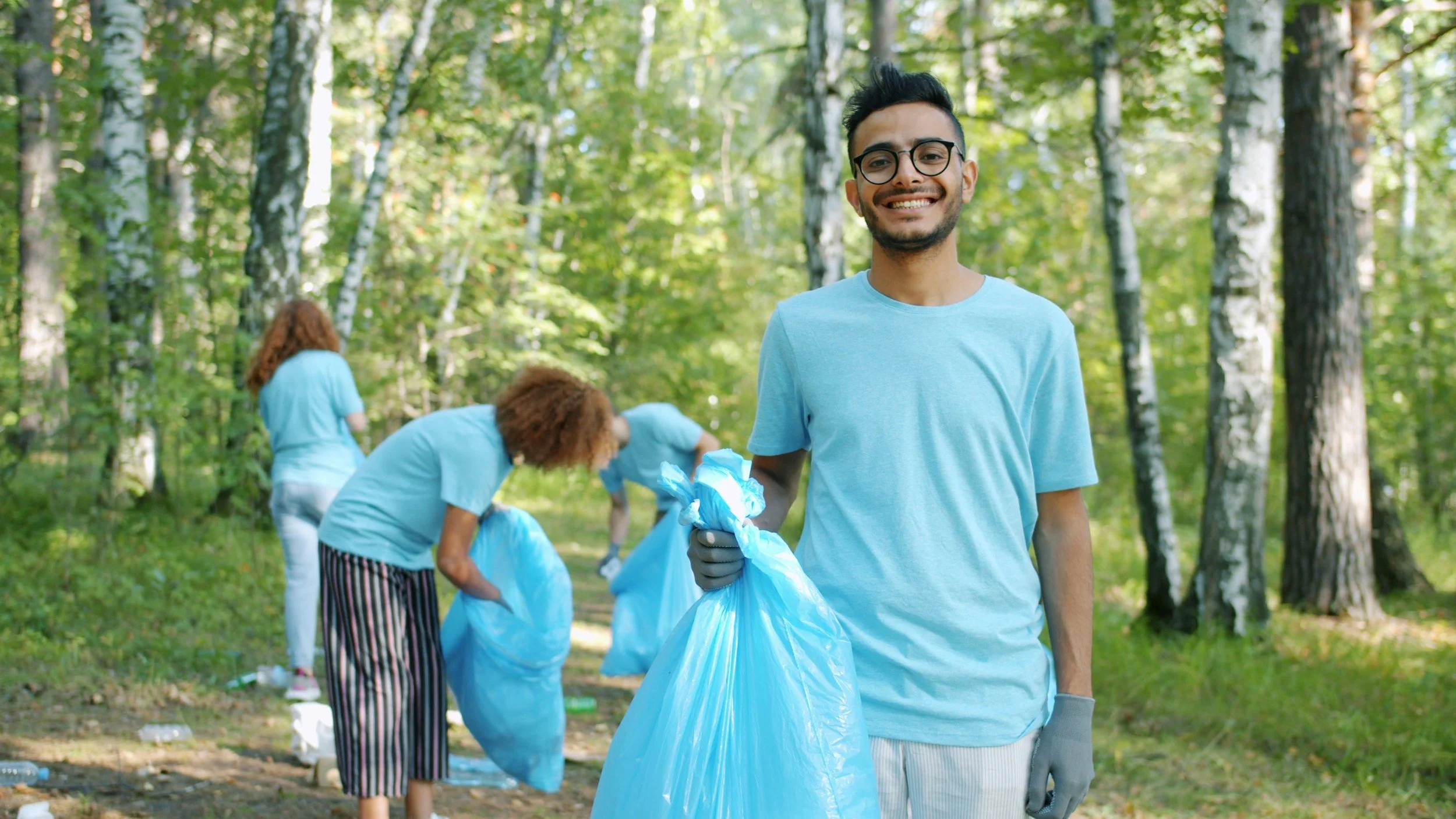
When students ask me about volunteering and whether it’s “worth it” for their college applications, I always start by making one thing clear: service, big or small, is always valuable.
Whether you're hanging out with residents at a local nursing home, helping at an animal shelter, working with a food bank, or tutoring younger students, giving back to your community is valuable. At the end of the day, if you enjoy the work you're doing and feel connected to the experience, that's what matters most.
But I think the “question beneath the question” here is really about impact.
I work with plenty of students who accumulate impressive numbers of service hours, and that's a great accomplishment. But if volunteering is a major part of your profile and something you genuinely care about, you want to make sure you're making those hours count. The strongest volunteer experiences don't come from racking up the hours doing the same thing you did in 9th grade for three years straight. They come from understanding a community deeply enough to identify real needs and then doing something about it.
Recently, I worked with a student who had already completed more than 100 hours of community service and was eligible for the Congressional Award. They'd already demonstrated an impressive commitment to service, but they wanted to push their involvement deeper. That led us to a conversation built around three questions that I think every student should ask themselves as they think about what service should look like.
Question #1: Why Do You Care About the Population You're Serving?
A lot of students think volunteering starts when they arrive for their shift and ends when they leave. But some of the most meaningful growth happens when you keep thinking about the community after you've gone home. If you've been spending months at a nursing home working with individuals, but you still can't articulate why you're doing it, you need to dig a little deeper. Does the experience help you connect to relationships you've had with older family members? Has it exposed you to the structural challenges about elder care in the US that you didn't fully understand before?
The same thing applies across different volunteer settings. If you're working with a food bank, for example, you should eventually start asking yourself why this issue matters to you. What have you learned about food insecurity? What experiences have shaped your perspective? Spend time reflecting on what keeps you connected and coming back to a specific issue, and ask yourself how you’ve begun to move the needle if you’ve worked with a cause for an extended period of time.
Question #2: How Does This Cause Connect to the Larger World Around You?
It’s not surprising that it can feel hard to be connected when so many high school volunteer experiences operate under a “drop-in” style format. You sign up for a couple of hours at the local soup kitchen, move a few boxes, and then head out. But it’s up to you to make meaning and get curious. Talk to the program director. Read local newspaper articles about the origins of the nonprofit. Research the area that you’re working in and learn more about key economic factors and health outcomes. Look into the way the county government makes decisions. The more you can understand how things work, the more you can figure out more specific ways to help.
Let’s take the food bank example again. It's one thing to participate in collecting and distributing food once a week, and it’s another to really think about the systems that make it possible for one community to have excess food and significant food waste while another community lacks access to food altogether, and create awareness to your neighbors and peers around this issue.
If you're working with an underserved community (different from your own), it's worth asking how your own community intersects with that population. What historical factors contributed to the current situation? What barriers exist? Why are things the way they are?
Research is one of the most overlooked parts of volunteering. If you're serving a community, you should know something about that community beyond the few hours you spend there each week. The more you understand the larger context, the more opportunities you'll find to contribute in meaningful ways.
Question #3: Is There a Gap That Isn't Being Addressed?
It’s common to get “stuck” inside the existing framework of a volunteer opportunity. Month after month, you get used to showing up, completing tasks assigned by a supervisor, and heading home. But if you really want to deepen your involvement, start asking whether there's a greater need that isn't currently being met.
Imagine you're volunteering with a sports organization that serves differently-abled athletes. Participants may have opportunities to learn the sport, but perhaps you notice that there aren’t the same opportunities to compete in tournaments, earn awards, or experience some of the traditions that make sports meaningful. Maybe there's an opportunity to create a competition, introduce medals or jerseys, or build a recognition system that makes the experience feel more equitable.
Or perhaps you're volunteering with a youth theater organization and notice that the student productions aren't well attended. Could you help increase community engagement? Could you rally support from other groups you belong to?
Even simple observations can uncover opportunities. If you're volunteering with patients receiving dialysis treatment, you might notice that support exists while they're receiving treatment, but that patients return home exhausted and without many resources. Could a care package help extend that support beyond the clinic?
Volunteering ideally shouldn't stop with you and the organization you're working with. Over time, it should become more collaborative. The goal is to look at the fuller situation and ask whether there's a way you can strengthen what's already being done.
Common Roadblocks to Taking Action…And How to Get Past Them
One of the most common things I hear from students is that they feel too young to make meaningful change or go beyond the boundaries of their volunteer positions. My response? Imagine a world where people like Malala or Greta Thunberg had been held back by their age. No, I’m not saying that you have to have a grand vision of change to move forward with your ideas, but most students are more capable than they think. While there are certainly situations where adult support is necessary, age is rarely the barrier students think it is. Passion, professionalism, and persistence can take students much further than they expect.
The biggest true barrier we see to making a larger impact is a resistance to outreach.
Many students are uncomfortable sending cold emails or reaching out to people they don't know. There's often a fear that nobody will respond or that their idea isn't good enough. But you can't know if you don't try.
I've worked with students who emailed nonprofit directors and secured informational interviews that helped them better understand gaps in existing systems of care. I've worked with students who emailed professors about public health interests and ultimately secured summer opportunities because they took the initiative to ask.
If you're nervous that one organization won't respond, don't stop at one email. Reach out to four or five organizations. The larger the volume of thoughtful outreach, the more likely you are to receive a response.
Finally, many students also worry about taking on too much responsibility. But know that you don't have to do everything alone. Work with your peers, create coalitions, ask for help. Many of the strongest projects begin with a group of students who care about the same issue and decide to tackle it together.
Why Colleges Notice Students Who Go Beyond Participation
Let’s take two imaginary students. Student A who has 250 volunteer hours and Student B who has 100 but took time develop their own ideas beyond the volunteer experience. Yes, Student A has unquestionably demonstrated dedication, and that's valuable. But if that student spent hundreds of hours serving a community and never asked what could be improved, what additional needs existed, or how they could create change, admissions officers are going to be left with unanswered questions about what they took away from the experience.
Meanwhile, though Student B has fewer hours overall, the fact that they identified a problem and did something about it demonstrates the skills of impact creation that colleges are looking for. They're showing initiative, curiosity, empathy, and the ability to contribute to a community in a meaningful way. And that's important because colleges are communities themselves. They're looking for students who will arrive on campus, identify opportunities to make things better, and contribute to the people around them.
At the end of the day, meaningful volunteering isn't about collecting the most service hours. It's about developing a genuine connection to a community, taking the time to understand its challenges, and looking for ways to make a difference.
Sometimes that means creating a new resource, fundraising for a special initiative, or writing a report on a related issue. It’s up to you to choose the intervention that works best. The common thread is that all of those things require you to step a little bit outside your comfort zone. And that's often where the most meaningful opportunities begin.